Kyzylkala Fortress
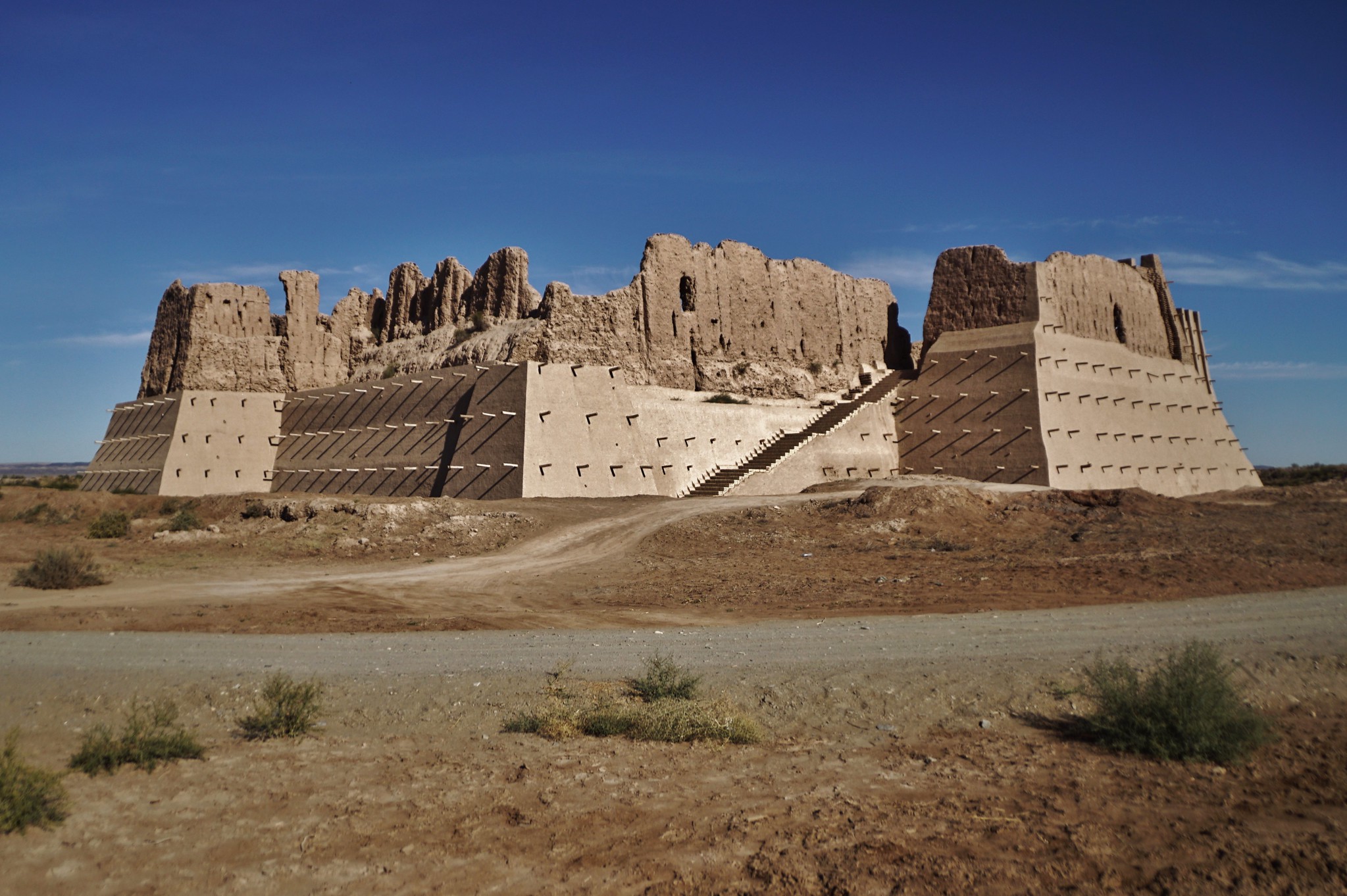
Kyzyl-Kala: Guardian of Toprak-Kala
Kyzyl-Kala ("Red fortress") was an ancient fortress in Chorasmia located near Toprak-Kala, about 1 km to the west, possibly as a fortified defense for the site of Toprak-Kala. Kyzyl-Kala was once restored in the 12th century. It has also been the subject of a modern renovation program, with the objective of showing what a fortress looked like originally.
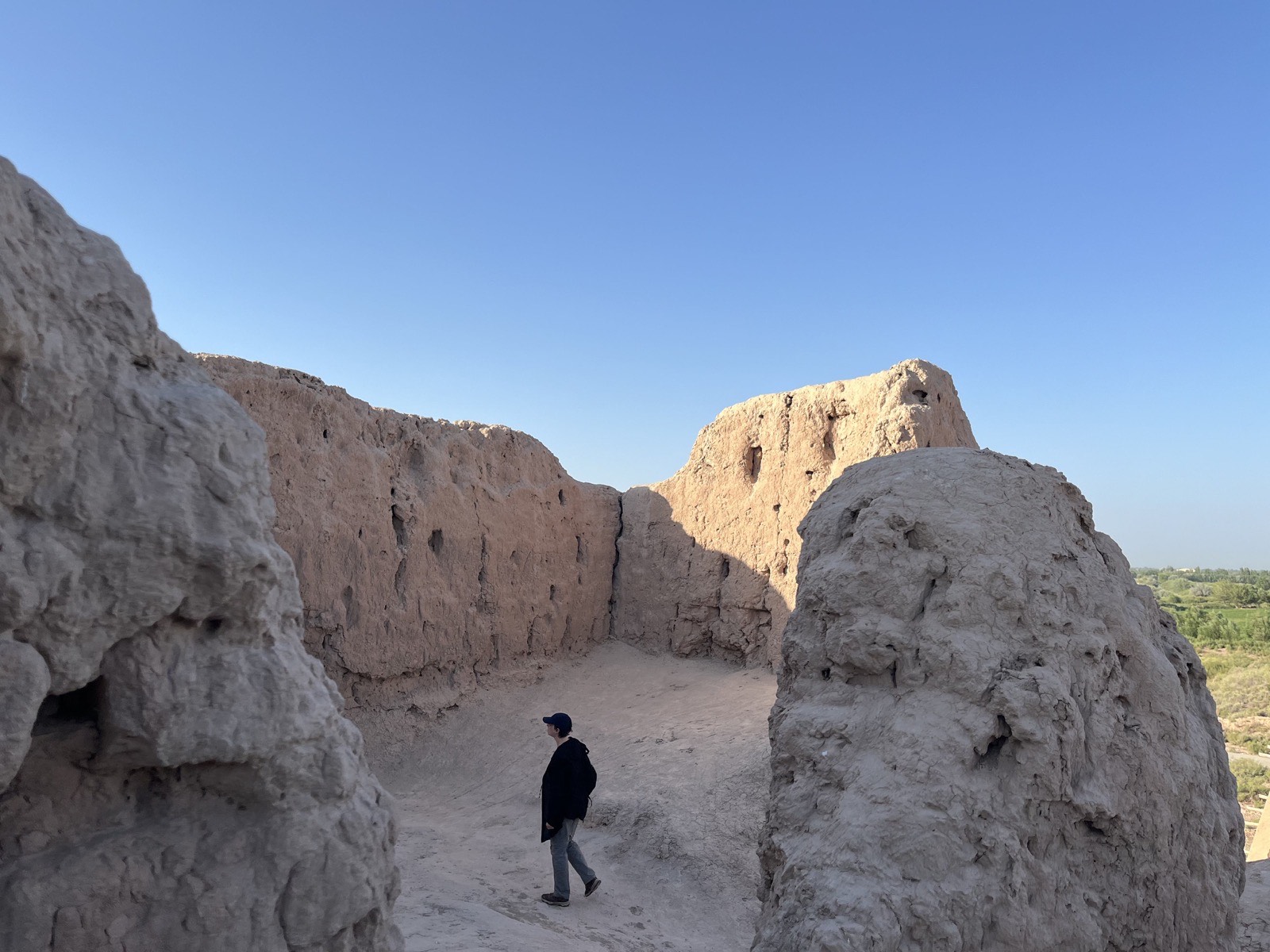
Architectural Significance
Kyzyl-Kala is a monument of the last stage of antique Khorezm architectural history and can be considered as a prototype of the Afrigid period castles corrugated with massive columns. The fortress itself is not large in size and almost square in form. The study of the foundation and the structure ruins showed that the fortress was surrounded with a double vallum, and there were watchtowers in every corner of the fortress.
Urban Layout
A main street in the center of the settlement led to a temple of fire-worshippers where Zoroastrian priests were holding their sacramental rites. The residential part of the city was divided by a street into several sections with several rooms in each, where people lived by families. This archaeological site was discovered during a Khorasan expedition headed by S.P. Tolstov in 1938, with all basic study of the fortress conducted by the expedition staff.
Strategic Sentinel
Kyzyl-Kala is a unique architectural site of Ancient Khorezm of the Kushan-Afgan period of the antique history. It stands in the middle of the plain as a sentinel guarding the Toprak-Kala fortress, the pearl of ancient Khorezm. There is a legend that Toprak-Kala and Kyzyl-Kala are joined by an underground passage. This is quite possible, since Kyzyl-Kala managed to exist till Chengiz Khan invasion, being a part of the defensive installation system of the Khorezmshakh State.
Location: 41.930354137986676, 60.78314798559284
Purpose: Fortified defense for Toprak-Kala
Features: Double walls, corner watchtowers, fire temple
Period: Kushan-Afgan period of antiquity